

tools SPANNING molecular to behavioral analyses

ADVANCED IMAGING
We use a variety of imaging approaches, including conventional confocal imaging, super-resolution, and reconstruction-based computational modeling using immunostained brain tissue to gain powerful insights into changes in cellular morphology, plasticity, and pathology associated with neurodegeneration. Sophisticated dendritic spine analyses in dye-filled neurons in brain slices give us unprecedented detail into synaptic changes mediated by genetic perturbations that we make in our various mouse models. Many of these analyses follow stereotaxic brain targeting of specific genes in a cell type-specific fashion using CRISPR editing or conventional viral-mediated gene transfer in mice.

Microdialysis & Behavioral analyses
Understanding in vivo physiology gives us the opportunity to link changes in synaptic function to organismal behavior. For this reason, we are interested in examining how systemic or CNS interventions alter brain function and real-time protein dynamics. The clues gained from this work give us the strongest insights in guiding downstream mechanistic focus. We rely on a suite of in vivo assays, including learning and memory and motor assays, to evaluate function of the hippocampus and other brain regions. To examine in vivo protein dynamics, we utilize in vivo microdialysis to sample proteins in brain extracellular space in real-time over hours to days. Parabiosis and plasma transfer studies give us the opportunity to examine the influence of systemic factors on CNS function.
PROTEOMICS AND TRANScRIPTOMICS
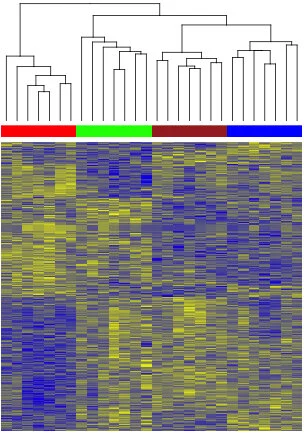
We are interested in largescale interplay of networks of proteins in the blood and how this influences brain function at the molecular level. We leverage cutting-edge proteomics (aptamer-based and other affinity-based technologies) and transcriptomics technology (single-cell RNAseq) to gain comprehensive insights into the influence of the systemic environment on the brain in varying disease contexts. Downstream computational approaches are used to understand how systemic interventions influence the interplay among CNS cells for hypothesis testing.